





The workplace problems AET helps solve

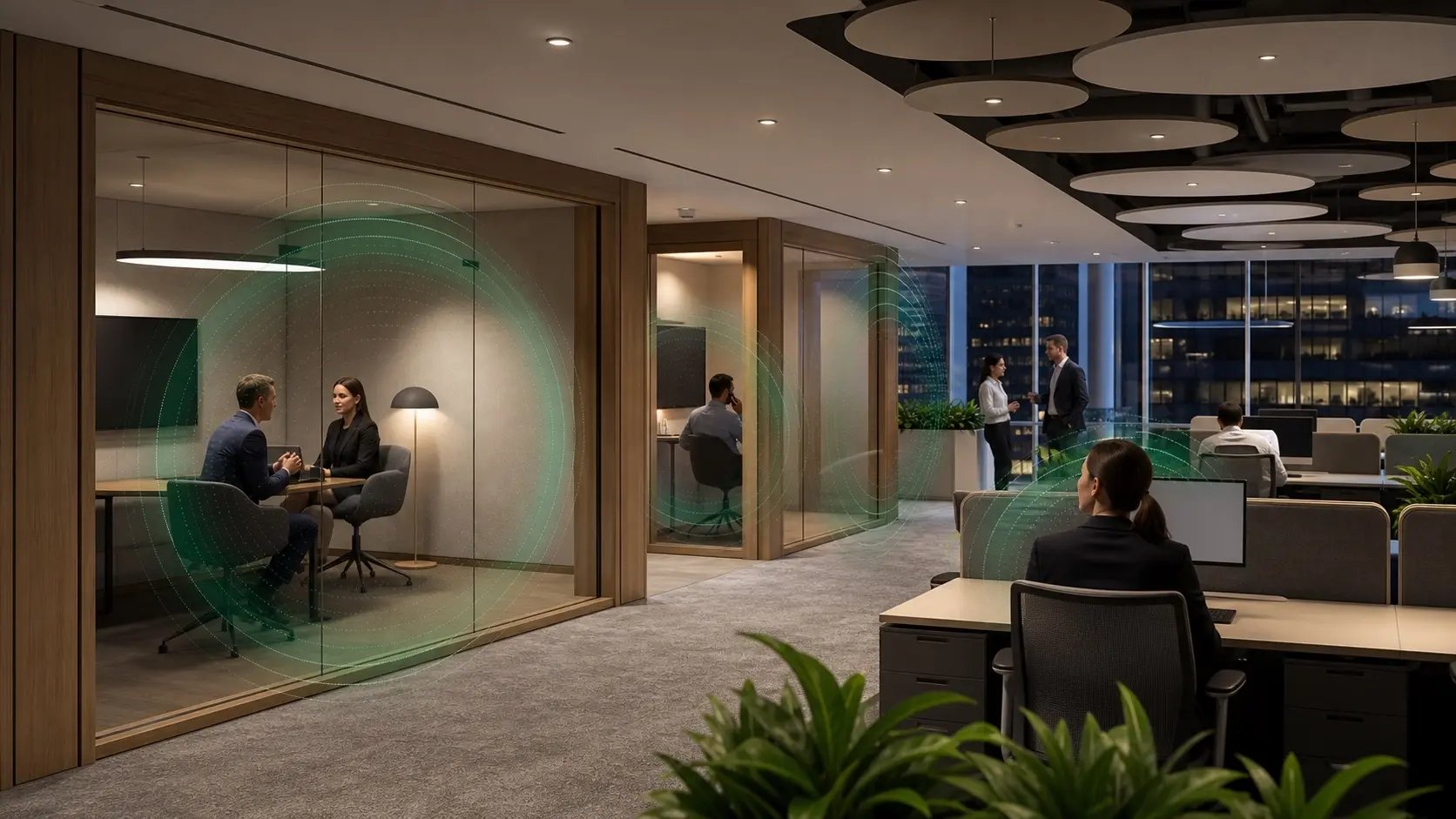
Office acoustic issues rarely sit in one place. Conversations travel, rooms echo, privacy weakens and people lose focus. AET looks at the full environment before recommending the right combination of solutions.

Difficulty Concentrating

Difficulty Concentrating

Overheard speech can pull people out of focused work, even when the conversation has nothing to do with them.

Reduced Productivity

Reduced Productivity

Repeated acoustic interruptions create recovery time and make it harder for teams to stay focused.
Increased Fatigue

Increased Fatigue

Filtering unwanted speech and background noise throughout the day adds unnecessary cognitive load.

Compromised Privacy

Compromised Privacy

Private conversations can travel beyond the intended area, creating avoidable confidentiality risks.
 

Proof points

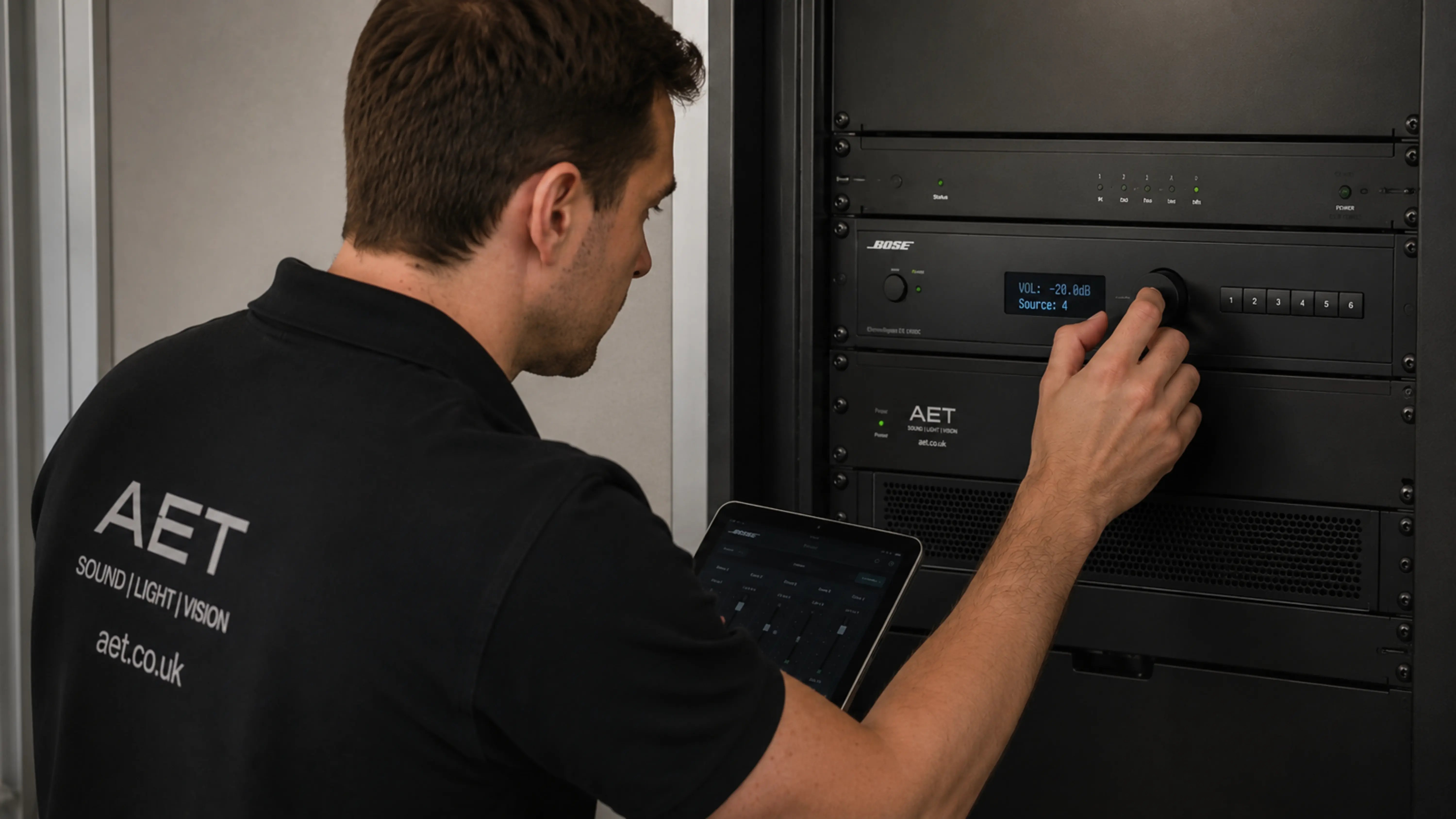
Specialist acoustic experience, delivered at scale

20+ Years of sound masking experience
1-3,500+ Speakers on projects from single rooms to major rollouts
UK Manufactured sound masking equipment
Class A Acoustic panel options available

Workplace acoustic services FAQs

Practical answers for teams considering sound masking, speech privacy, acoustic panels, installation or aftercare.

 
What is the best way to improve office acoustics?

The best approach depends on the problem you are trying to solve. If speech is too clear across an open-plan office, sound masking may help. If a room feels harsh, echoey or uncomfortable, acoustic panels or baffles may be more appropriate. If conversations are escaping from meeting rooms, the issue may involve doors, partitions, ceiling voids or other weak paths.

AET looks at the space first, then recommends the right combination of acoustic measures.

What is the difference between sound masking, speech privacy and acoustic panels?

Sound masking is a system that introduces controlled background sound to make speech less intelligible at distance.

Speech privacy is the outcome: conversations are less easily understood by people they were not intended for.

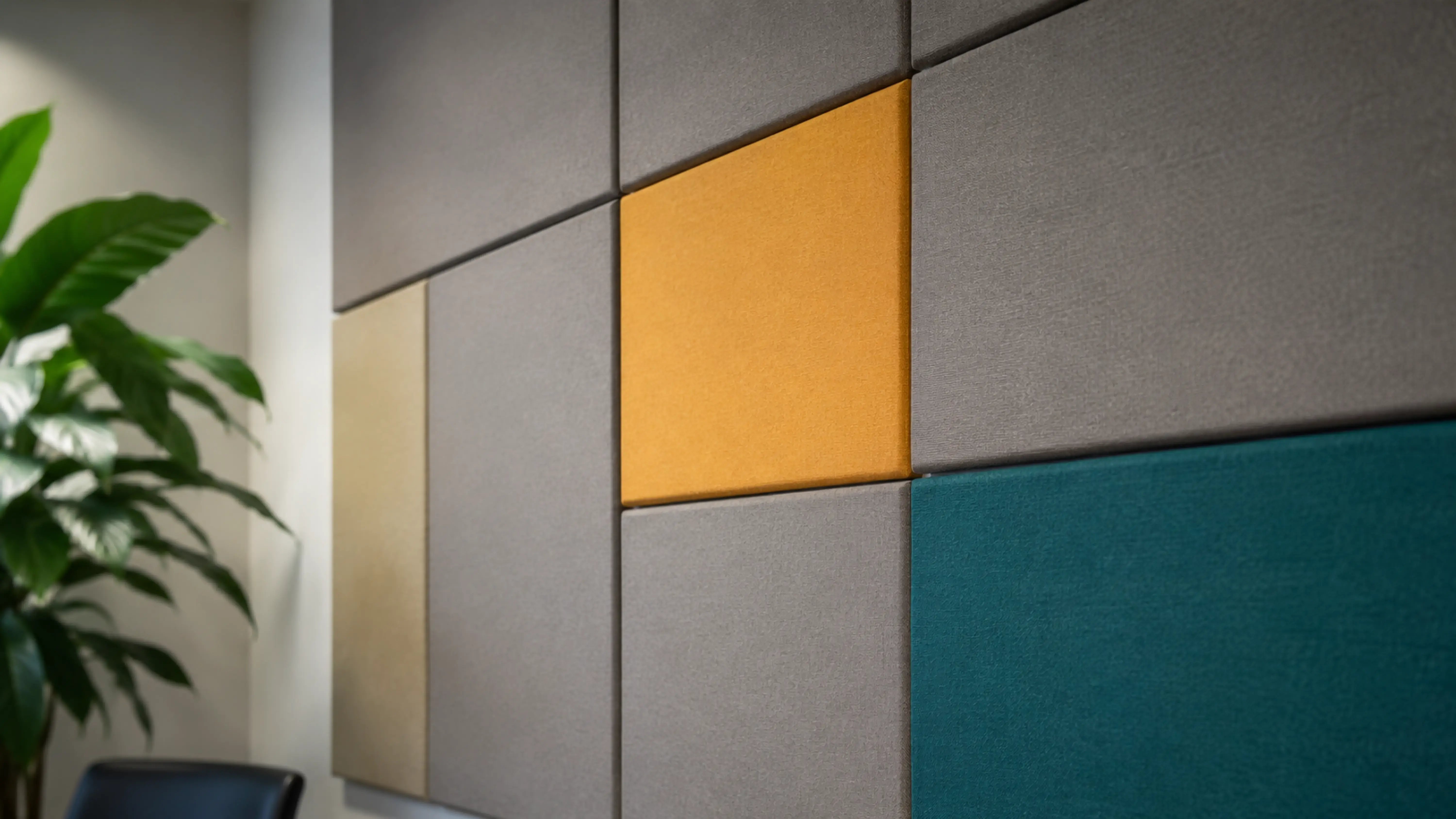
Acoustic panels, rafts and baffles reduce reverberation and reflected sound, helping rooms feel calmer and more comfortable.

In many workplaces, the best solution may involve more than one of these measures.

How do you know whether an office needs sound masking or acoustic treatment?

If the main issue is that conversations are too easy to understand across the room, sound masking may be the right starting point. If the space feels loud, harsh or echoey, acoustic treatment may be needed to reduce reverberation.

Some spaces need both. Sound masking helps with speech intelligibility, while acoustic panels help control reflected sound. A survey can identify which issue is causing the biggest problem.

Do acoustic panels stop conversations being overheard?

Acoustic panels can help reduce reflected sound and improve comfort, but they do not usually stop conversations being overheard on their own.

If speech privacy is the main issue, the space may also need sound masking, layout changes, door seals or attention to weak sound paths. Panels are often part of the solution, but they should be specified around the actual privacy problem.

What happens during a workplace acoustic survey?

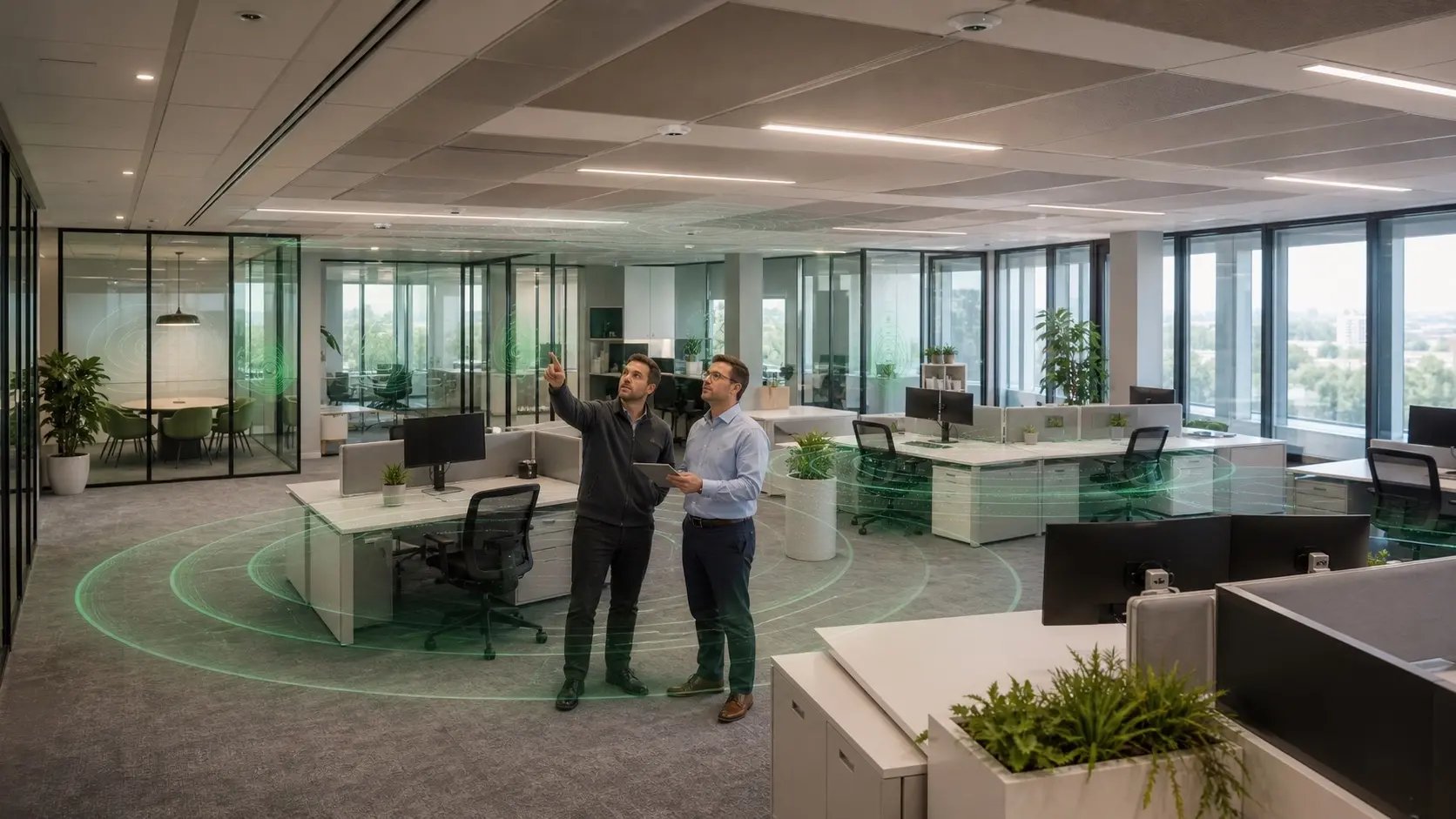
A workplace acoustic survey helps identify how sound behaves in the space. This may include reviewing the layout, ceiling conditions, room use, background sound levels, speech privacy requirements and areas where conversations are being overheard.

The aim is to understand the cause of the issue before recommending a solution. That might involve sound masking, acoustic panels, system adjustment, installation work or further acoustic advice.

Can sound masking be installed in an existing office?

Yes. Sound masking can often be installed in existing offices as well as during refurbishments or new fit-outs.

The installation approach depends on the ceiling structure, access, cabling routes, control requirements and how the space is used. AET can review the workplace and advise on a practical route that minimises disruption while achieving the required acoustic effect.

 
How disruptive is sound masking installation?

The level of disruption depends on the size of the project, the ceiling type and the access available. Many systems can be planned around normal workplace requirements, with installation and commissioning arranged to suit the site.

AET will review the space, agree the installation approach and work with the facilities team so the system can be installed, tested and adjusted with minimal unnecessary disruption.

 
What aftercare does a sound masking system need?

A sound masking system should continue to match the way the workplace is used. Over time, layouts change, teams move, furniture is reconfigured and acoustic conditions can shift.

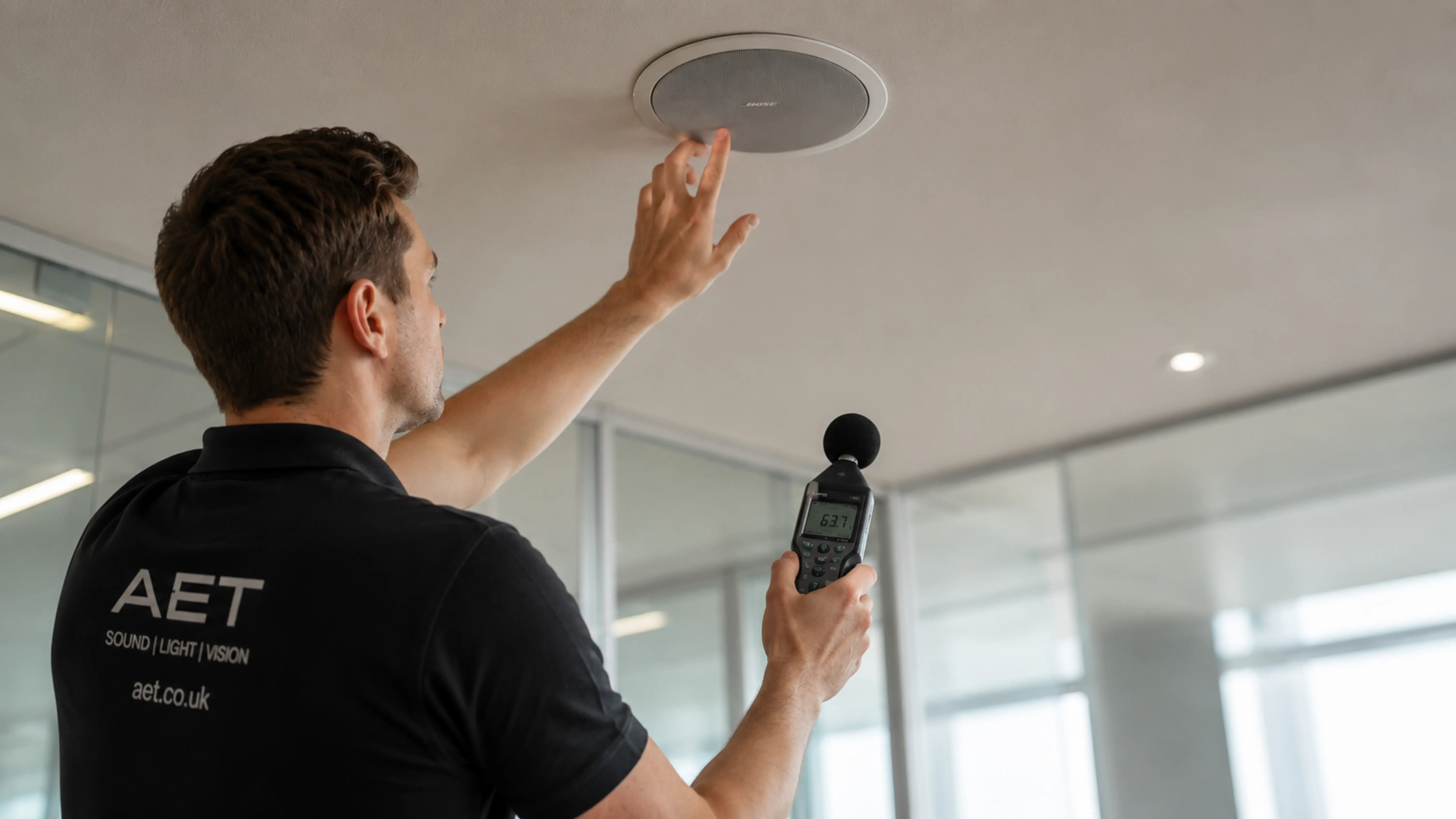
Aftercare can include system checks, cleaning, output testing, minor adjustments, control unit checks and support where performance needs to be reviewed. Regular servicing helps keep the system aligned with the space.